From the Author
“Managing labour is often the hardest part of running a small fabrication business.”
Insights from the Ground | By Manjunath Krishna
The Silent Struggle of Small-Scale Contractors
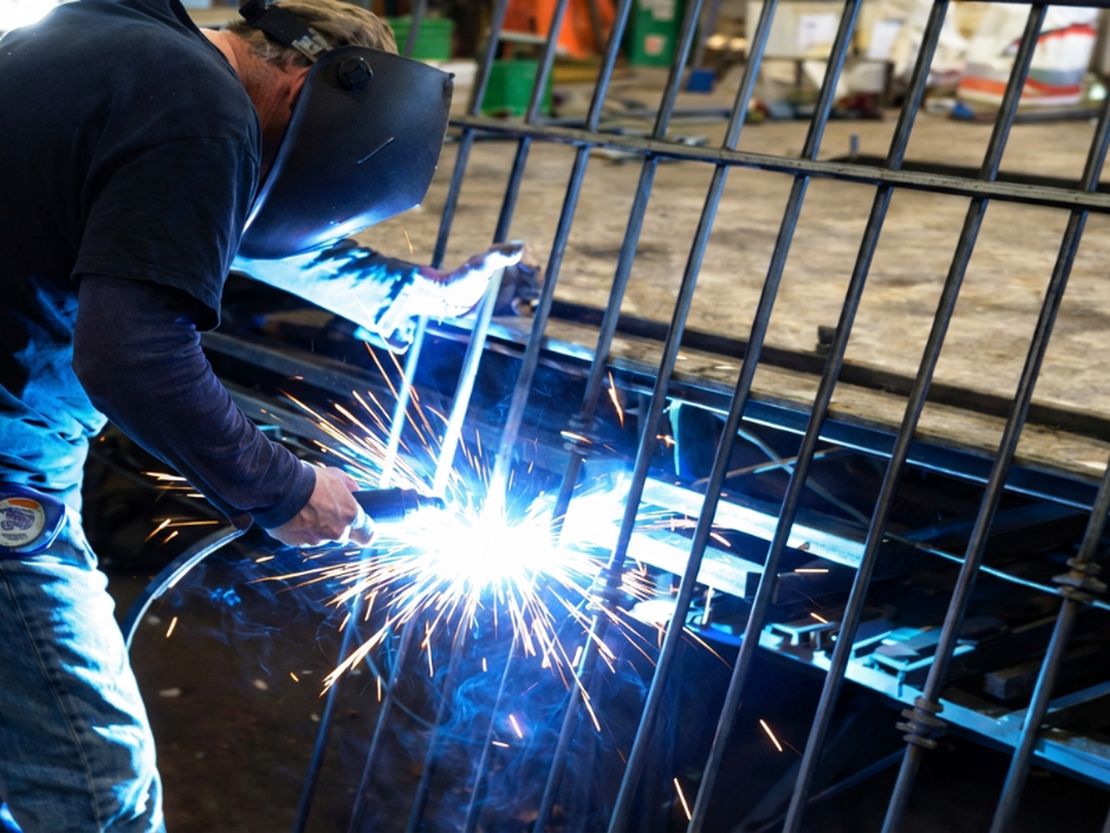
Fabrication owners and contractors often operate in small-scale factories with limited resources and a tight group of labourers. The success of their projects hinges on timely execution, making labour reliability and availability critical. However, the challenges they face in managing labour are multifaceted, with implications that ripple through the entire sector.
The Crucial Role of Labor in Fabrication Projects
Fabrication projects often run on tight deadlines. Every delay for contractors can lead to monetary fines, damage to their reputation, and a chain reaction of project setbacks.
Daily wage workers, unlike salaried employees, may not always remain committed to long-term work at the same site. Their frequent absences or sudden job changes force contractors to scramble to meet deadlines.
Pune-based small-scale contractor Ravi recalls a difficult project involving a critical fabrication order for a future mall.
“I had five workers who suddenly left mid-project because they got better-paying jobs nearby,” he explains.
Despite putting in extra hours and hiring replacements, Ravi was unable to meet the project deadline. The delay resulted in a significant financial penalty and strained relationships with his client.
“There is no safety net, and managing labour is a constant source of stress,” he adds.
Challenges in Labor Hiring
Small contractors face several difficulties when hiring and managing labour.
1. Unavailability of Local Workers
- In regions with greater economic development, local workers prefer less physically demanding jobs like delivery agents or hotel staff.
- This shift leaves fabrication work heavily reliant on migrant labor from states such as West Bengal, Bihar, and other northern states.
2. Limited Hiring Resources
- There are no dedicated platforms like LinkedIn or Naukri.com tailored to this unorganized labor market.
- Hiring primarily depends on referrals from existing workers, which is unreliable and inconsistent.
3. No Formal Agreements
- The absence of formal hiring contracts or agreements creates a major challenge. Workers often leave jobs without notice, leaving contractors in the lurch.
- Legal recourse is nonexistent, as the informal hiring structure lacks enforceable terms. tections.
4. Skill Deficits
- Many laborers lack the basic skills required for fabrication work. Training them from scratch is a time-intensive process, with the pace of learning varying widely between individuals.
The Need for Structure in an Unstructured Industry
The fabrication industry, like many other unorganized sectors, suffers from systemic inefficiencies. A lack of proper hiring mechanisms, skill development programs, and labor retention strategies exacerbates the challenges contractors face. Organizing this sector is not just an option but a necessity for long-term sustainability.
Potential Solutions
Addressing these challenges requires thoughtful interventions and collaborative efforts. Developing digital job boards specifically designed for fabrication and related industries could help contractors find qualified and semi-skilled workers more efficiently.
1. Development of Labor-Specific Hiring Platforms:
- Creating online platforms tailored to fabrication and related industries could connect contractors with skilled and semi-skilled laborers.
- These platforms could include features like skill certifications, job history tracking, and reviews from past employers.
2. Skill Development Programs:
- Government or private organizations could establish training programs to prepare laborers for fabrication work, ensuring a steady supply of skilled workers.
- Providing certifications for trained workers would also improve their employability and reliability.
3. Formalizing Employment Contracts:
- Introducing formal agreements, even in daily wage setups, could create accountability. Simple contracts outlining notice periods or commitments can make a significant difference.
4. Worker Incentives
Offering incentives like regular work schedules, performance-based bonuses, or accommodation could encourage laborers to stay longer and perform better.
Examples include:
- Consistent work schedules
- Performance-based bonuses
- Accommodation support Such benefits can motivate workers to remain committed and perform better.
Conclusion
The fabrication industry stands at a crossroads. Labour management challenges continue to threaten the growth and stability of small-scale contractors. Yet, despite the sector’s largely unorganized nature, there is significant potential for improvement. By introducing structured hiring platforms, investing in skill development, formalizing employment agreements, and creating better worker incentives, the industry can move toward a more stable and efficient future. For fabrication owners and contractors, addressing these challenges is not just about survival—it is about laying the foundation for a stronger, more organized, and sustainable industry.