From the Author
“Technology, when accessible, can transform the lives of workers who power our cities.”
Insights from the Field | By Vikas Sunkad
A Visit to Chickpet: A Story of Resilience
A few months ago, I found myself navigating the bustling streets of Chickpet, a vibrant commercial area in Bengaluru. Narrow lanes crisscrossed with busy bylanes, and the air buzzed with the sounds of commerce. Old buildings stood stoically—some weathered by time, others slowly transforming with renovation and construction.
The streets were alive with traders managing their goods and customers moving from shop to shop. Amid this lively chaos, my colleague Manjunath Krishna and I set out to meet people whose quiet determination often goes unnoticed.
During our visit, we came across three young labourers working diligently on a small construction site installing electrical fittings. They had arrived in Bengaluru just six months earlier from a village in Muzaffarpur district, Bihar, driven by the hope of finding better opportunities.
Back in their village, work opportunities were scarce. Encouraged by friends and fellow villagers already working in the city, they decided to take a leap of faith and move to Bengaluru in search of a better future.
Their journey was nothing short of courageous. When they first arrived, none of them had any technical skills. Yet their willingness to learn and determination to improve kept them moving forward. Just six months later, they had already become more confident in their work, handling electrical installations with growing expertise.
A Day in Their Lives
The three young workers share a small rented room, pooling their money to afford a modest but comfortable living space. Their daily routine is simple but demanding:
- Work begins at 9:00 AM
- The workday ends around 6:00 PM
- Sundays are their only day off. They prefer cooking their own meals instead of eating outside. This not only helps them save money but also allows them to enjoy the familiar taste of food from their hometown. Sundays are reserved for rest, socializing, and spending time with friends who come from similar backgrounds.
The Role of Technology
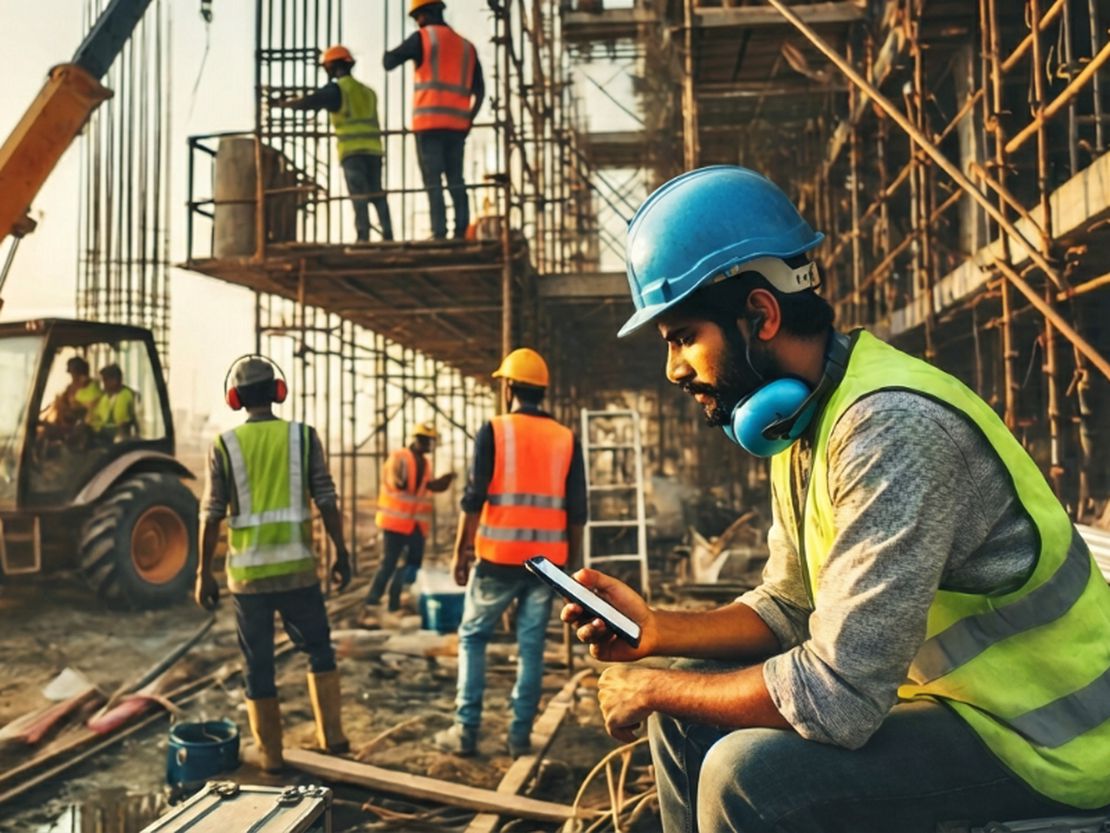
One tool plays a surprisingly powerful role in their lives: the smartphone. Most of these workers own large-screen smartphones that have become essential to their daily routine. These devices allow them to stay connected with their families and communities back home. Through video calls and messaging apps, they maintain strong emotional ties with their loved ones despite the physical distance. Social media platforms such as Facebook and Instagram also play an important role. Beyond entertainment, they provide a space for expression and connection. One of the workers we met has even started creating Instagram reels, gradually building an audience and enjoying the experience of sharing his daily life online. During lunch breaks or short moments of rest, smartphones provide small but meaningful escapes—whether through watching videos, reading news, or browsing social media. Affordable mobile data in India has made this level of connectivity possible, allowing blue-collar workers to stay informed, entertained, and socially connected.
The Challenge of Upskilling
Despite their determination and hard work, many blue-collar workers face a major obstacle: limited opportunities for skill development. Most workers live paycheck to paycheck. Their long working hours and limited financial resources make it difficult to attend formal training programs or invest in learning new skills. This often traps workers in a cycle where professional growth becomes difficult. However, the very technology they already rely on—the smartphone—may offer a promising solution. If accessible learning platforms were designed specifically for workers, they could provide short, easy-to-understand training content directly through mobile devices. For example:
- Short instructional videos
- Tool demonstrations
- Safety training modules
- Interactive learning lessons Such resources could allow workers to learn new skills without disrupting their work schedules.
A Call to Action
Helping blue-collar workers improve their skills is not only an economic necessity—it is also a moral responsibility. Addressing this challenge requires creativity, collaboration, and commitment from multiple stakeholders, including employers, technology providers, educators, and policymakers. Mobile technology has already become an integral part of workers’ lives. With the right initiatives, it can evolve from a communication tool into a powerful platform for learning, growth, and opportunity. The story of the three labourers in Chickpet stands as a reminder of the resilience and potential that exists within India’s workforce. With the right support and resources, their journeys can inspire many more workers to learn, grow, and build better futures—one step at a time.